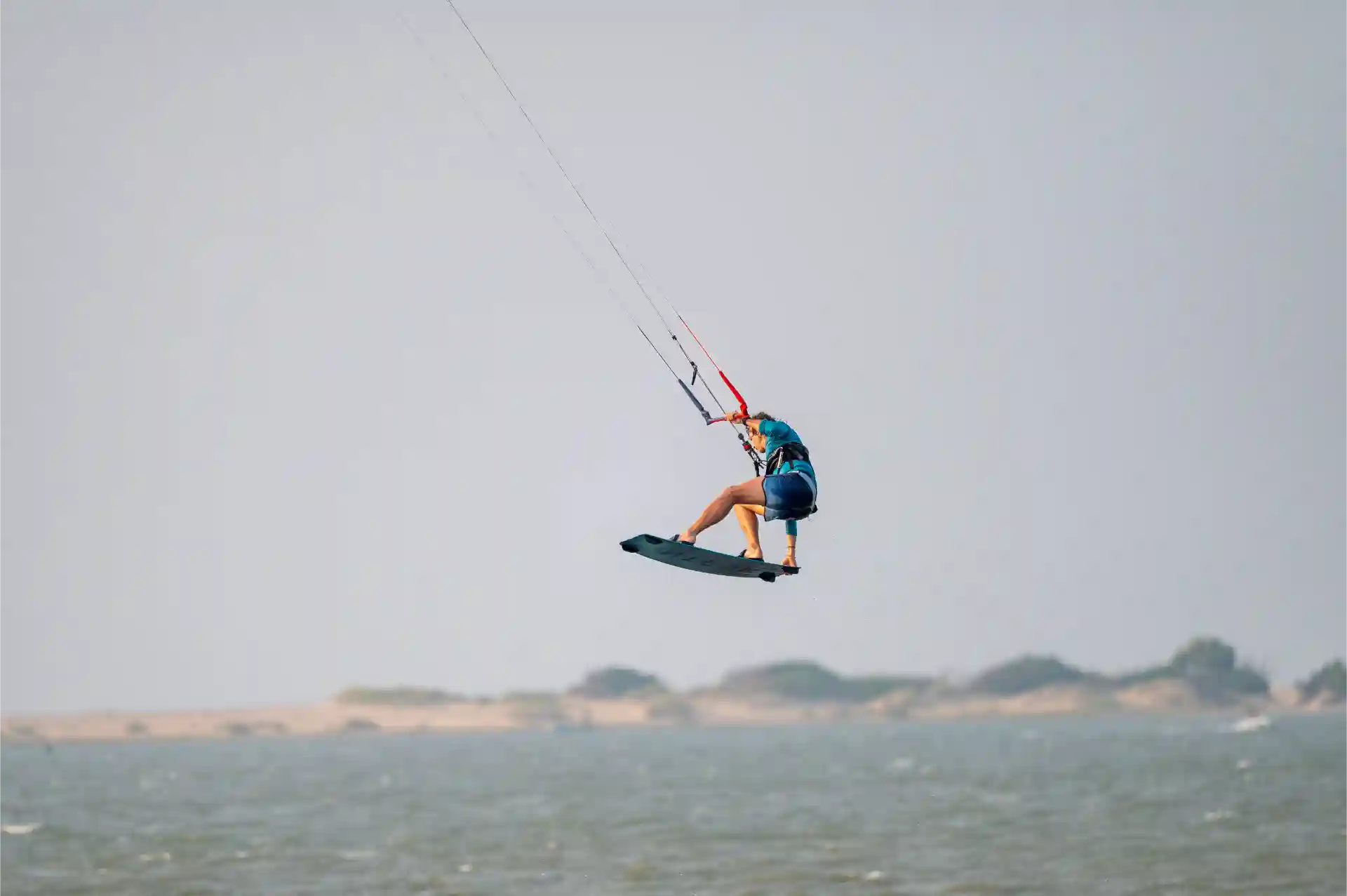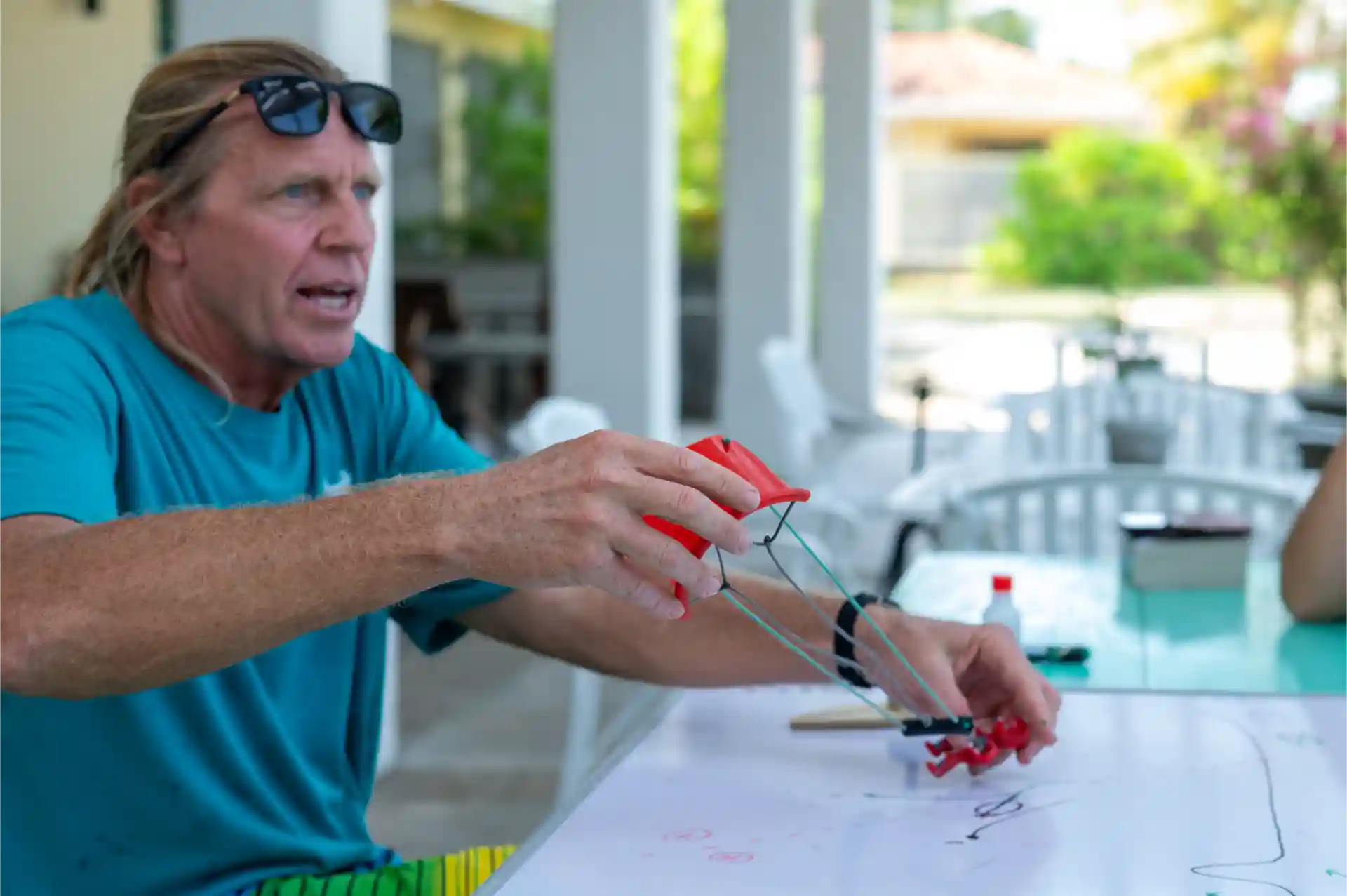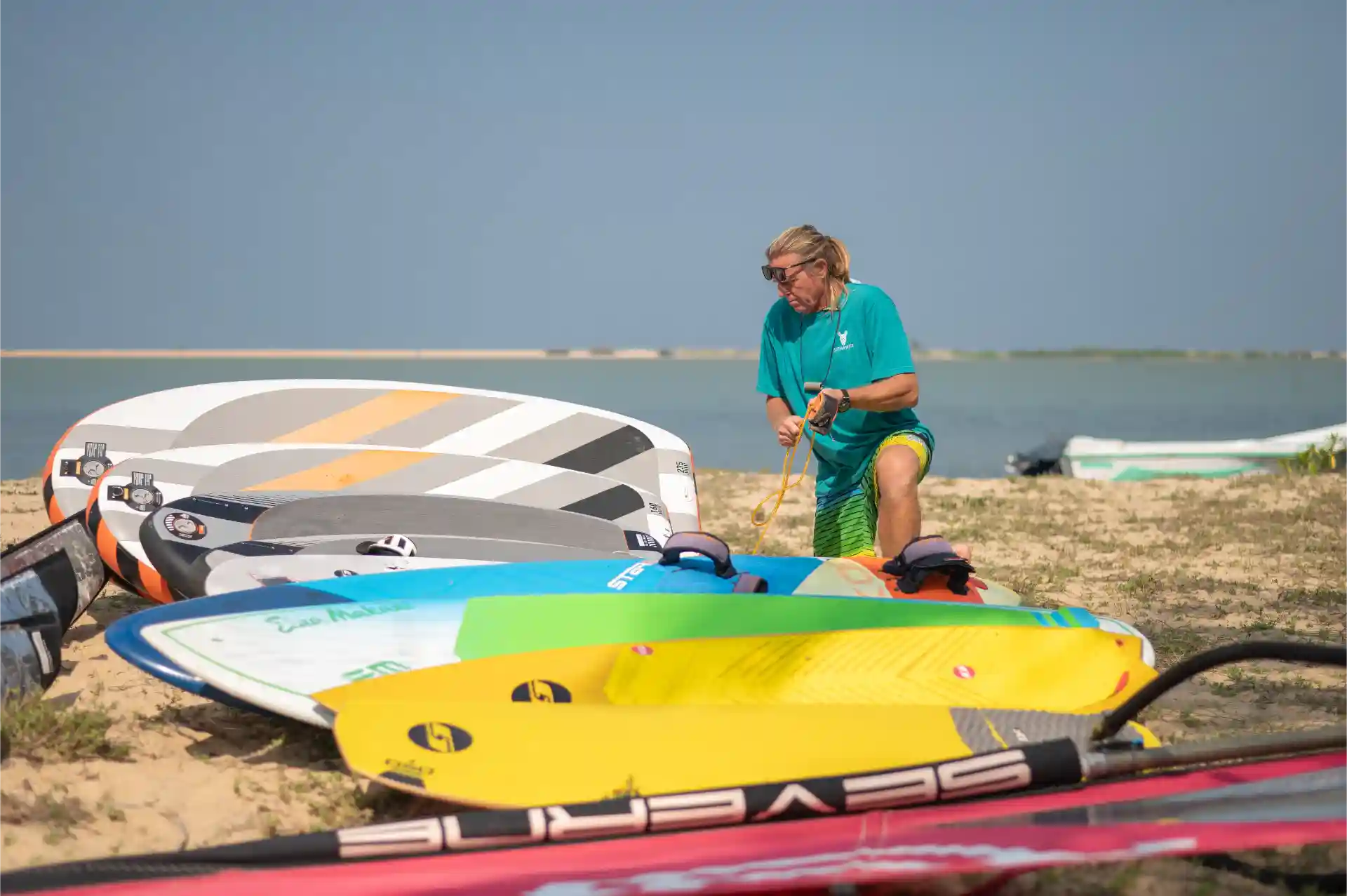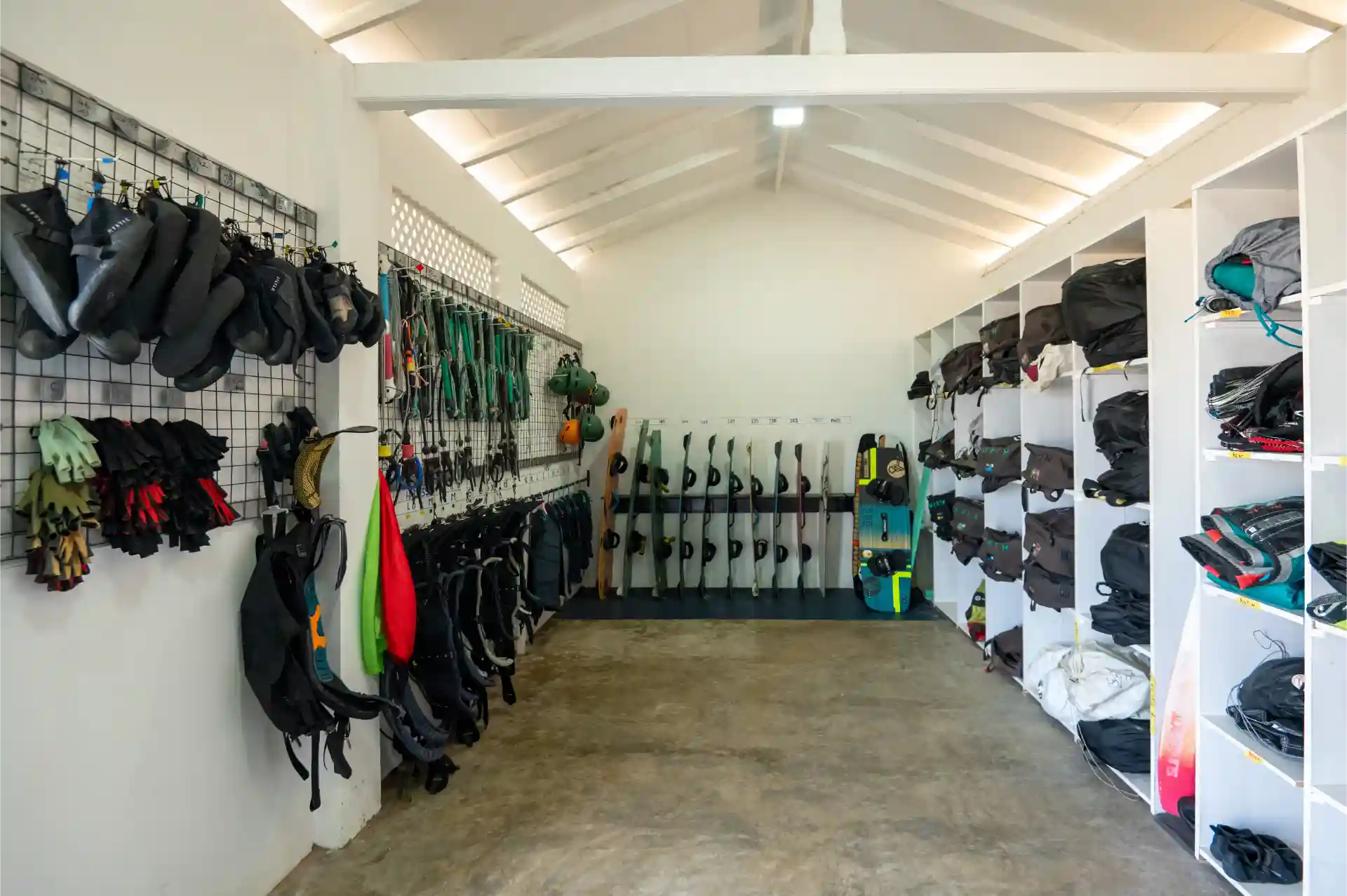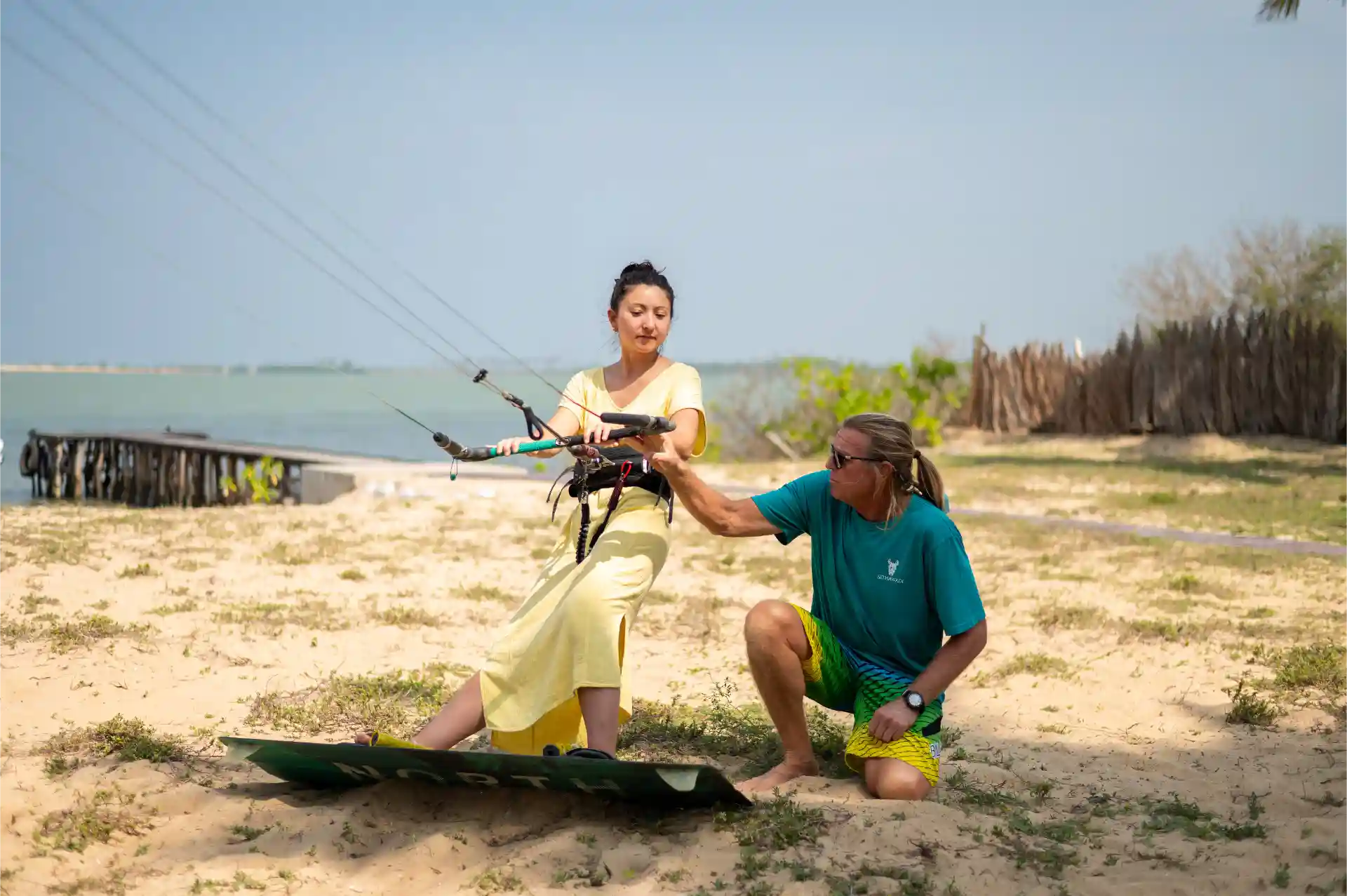
Careful, complete, step-by-step kitesurf lessons; tailored to your individual needs.
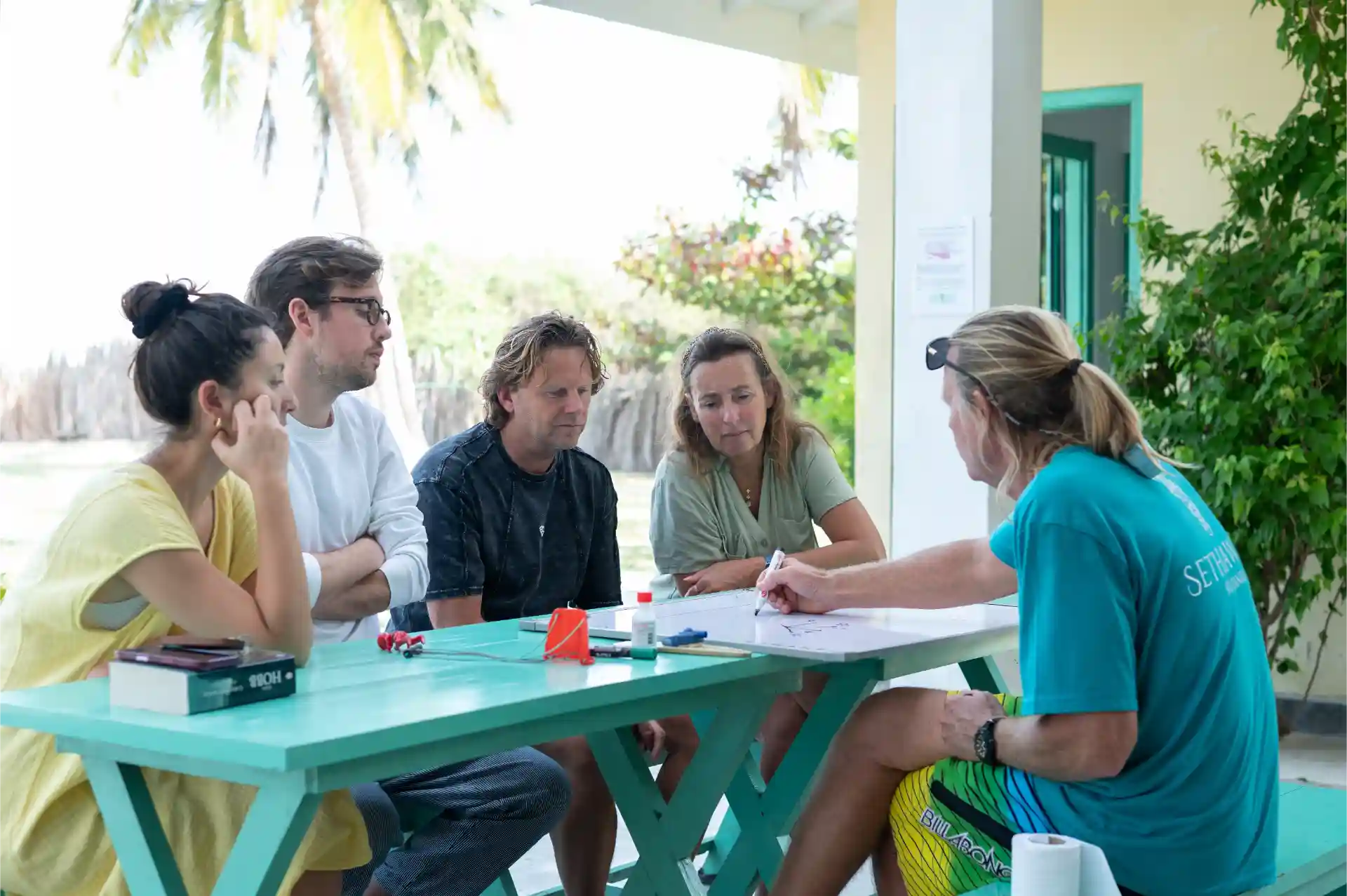
At Sethawadi Kite School, we realise that each person is unique, and learns to kitesurf in their own way. And we understand that best results come from adapting a well-thought out, methodical plan to your particular learning style.
We've been fine-tuning your kitesurf lesson content (and delivery methods) for over 20 years, capturing and retaining lessons learned from thousands of students and many, many instructors.
Our course syllabus (see below) is available for everyone, we encourage you to download it and use it. All of these points are covered in your kitesurf lesson. Detailed? Yes. Effective? Yes.
There's a noticeable difference at Sethawadi Kite.
Sethawadi Kite School is dedicated to your progression as a kitesurfer-- and the effort shows in the quality of our lessons: Attention to detail, good organisation, a focus on the process and on using your lesson time wisely and efficiently.
We emphasize situational awareness, independence, comprehensive best practices, and on communicating technical information clearly.
Because when you learn to kitesurf, it's worth relying on experienced experts who really care about getting you through the learning process smoothly. Without wasted time, without wasted effort, and especially without leaving gaps in your safety procedures.
Our school is led by Matt Kwantes, one of the few instructors who has earned both the VDWS instructor license and the IKO Senior Level 2 certification. He has over 20 years of experience teaching, training instructors, and managing ocean sport centres. Time spent in the ambulance service and with offshore oil rig safety practices has helped him understand the importance of continuously refining best practices for efficient skills development and risk management. More about Matt here.
We've built our reputation on delivering lessons with a higher level of teaching standards, solid safety practices and thorough kite instruction.
Your lessons reflect a deep commitment to finding and sharing a deeper knowledge and comprehensive understanding of the kite's power and movement. Not the cookie cutter, factory style presentation common in many kite schools.
Because carefully developing a solid core of abilities (and good decision-making skills) at the beginning will save you much time and trouble in the future. We value your safety and success - not just during your time here, but by providing valuable skills to carry with you, on to your next kiting locations.
That's why we are known as the school where people go to "learn kitesurfing right." One of the most frequent things which we hear from our students who have transferred from elsewhere is, "I learned so much here that they didn't teach me at the last place!"
We do use radios at the riding level to help with finer control points, but have also learned that overuse of radios can create dependency. So while we're working toward that level, we teach people to think for themselves, make their own decisions, and manage their equipment independently.
Accuracy first… speed will follow. Control first… then power: That’s our approach-- and it works.
The kites you’ll be using to ride are capable of producing huge amounts of power, quite suddenly. An out-of-control kite can cause serious injury to the rider, as well as to bystanders. Not to mention getting destroyed itself, and needing replacement or repair.
When you learn to kitesurf, it’s important to be able to control how much power is coming from your kite, and from what direction.
So we take great care to make sure that you have a deep understanding of your kite, and how to manage its power. How to manage risk effectively. We’ll teach you to be self-sufficient and take care of yourself out on the water. How to avoid trouble… and how to get out of a tight spot if you need to.
This always makes the “riding” part of the kitesurf lessons smoother, faster, safer, and easier.
Trying to rush into “getting on the board” in as little time as possible will actually hurt your progress in two ways. One, skipping over the important steps along the way will increase the risk of injury to yourself (and to others). Even experienced kiters, who neglect good kite handling practices can have accidents and injuries.
Two, cutting corners like this ends up taking more time in the long run anyway. Trying to get riding without first developing good control over your kite wastes a huge amount of time. Time spent on recovering from crashes, looking for your board, getting rescued, walking back upwind, untangling your lines, and getting started again.
Time that you could better spend focusing on your riding!
How do we do it?
We realise that we can’t achieve continuous improvement in our processes without a constant input of effort. So we perform regular After Action Reviews, to document lessons learned from our experience. Our instructor team takes the time daily to discuss teaching techniques, considering new methods and scrapping ones that don’t work as well.
Each instructor has their own style and ways of teaching, but we standardise the core lesson content and structure to ensure the best quality for your lesson.
If this is your first time kitesurfing,
we’ll first check carefully for good swimming ability- you’ll need to be comfortable in deep water. Also, we need to know whether you have any health or medical issues that may affect your lesson.
Experience with other, related sports like windsurfing, wakeboarding or paragliding will help us adapt the lesson to your strengths. But don’t worry, if this is your first wind or water-related board sport, we can still get you there.
If you’ve taken kitesurf lessons before,
we won’t waste your time repeating things that you already know. We’ve developed a very specific and time-saving process to separate what you’ve already learned from what we’ll need to focus on.
Of course, we’ll still make sure that you have a solid knowledge of the important basics. This includes things like a thorough pre-launch checklist, good situational awareness, the ability to recover your board in deep water, and being able to complete a successful self-rescue. From there, we can move forward to the “riding” part of the lesson.
Our
Lesson Plan